
Residential surveyor in Wimbledon
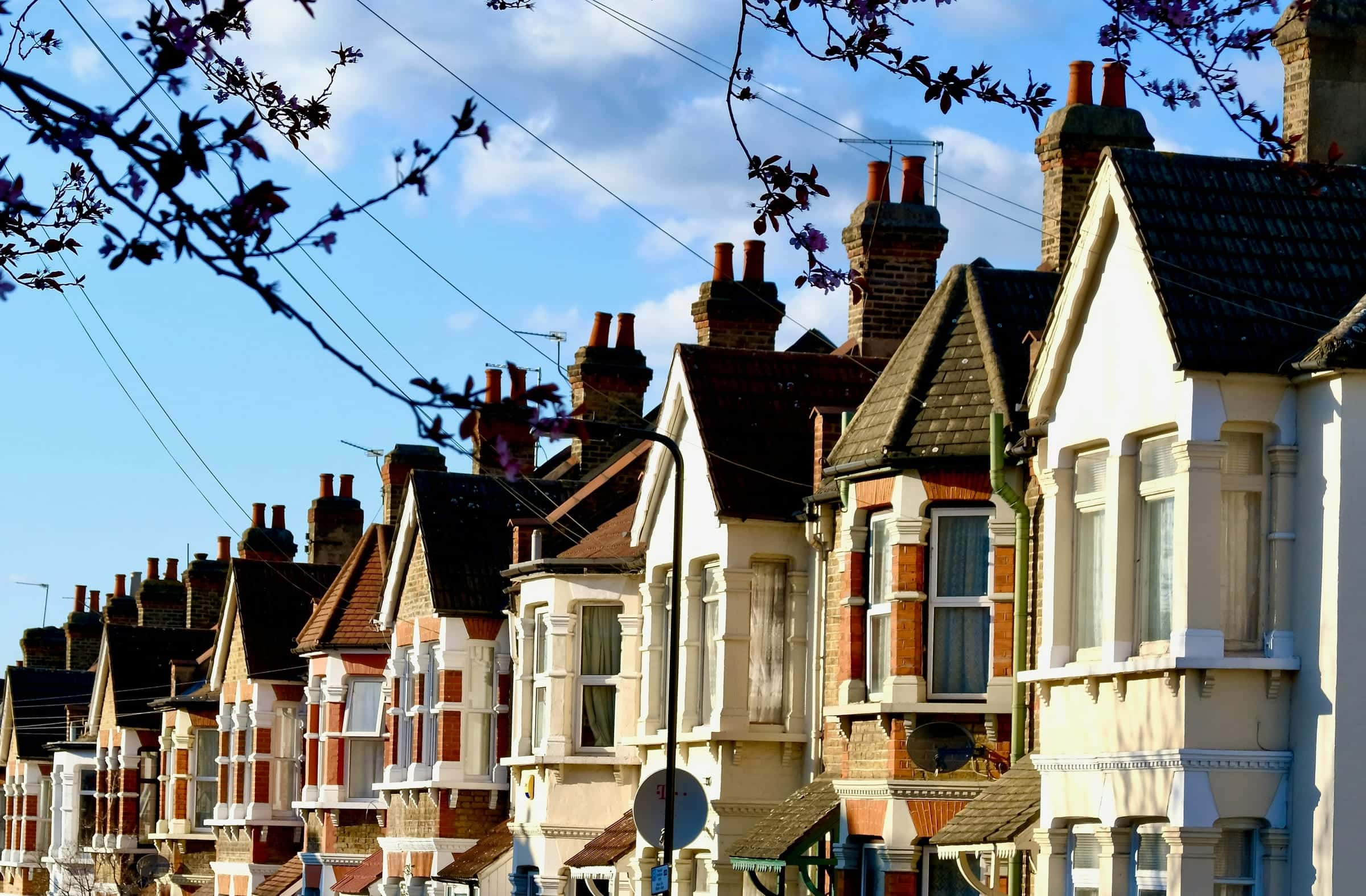
Wimbledon has an old village on the hill beside Wimbledon Common and a town below it that grew after the railway opened in 1838. It is in the London Borough of Merton, with large Victorian and Edwardian houses on and around the hill, terraces in the town and towards Raynes Park, and mansion blocks and newer flats near the centre.
Level 2 from £649, Level 2 Plus from £849, Level 3 from £895, including all taxes and fees.
- SW19
- SW20
Local property context
What matters when surveying in Wimbledon
Wimbledon buyers are often looking at a large Victorian or Edwardian house on or near the hill, a terrace in the town, or a flat in a converted house or block near the centre. On the hill the survey has to take account of changing ground, steep slopes, springs, large roofs and a long history of extension, including basements. In the town the questions are closer to those of any inner suburban terrace.
A Level 3 is the usual starting point for a large or older house in the village and the conservation areas around it, and for any house with a basement or major extension. A Level 2 Plus suits most flats in converted houses and many town terraces. A Level 2 can suit a newer flat in a well-managed block.
Local knowledge for Wimbledon buyers
Merton’s character assessments describe the village sitting on a plateau of well drained sand and gravel, known as the High Level Terrace, over London Clay. Natural springs occur where the permeable gravel meets the clay, and some streets to the north, including parts of Arthur Road, sit directly on clay. The Ridgway runs along the top of a major escarpment, and near Church Road and Home Park Road the ground falls by around thirty metres. Changing ground and steep slopes help explain local patterns of movement, damp and drainage.
Merton has seven Wimbledon conservation areas, including Wimbledon Village, Wimbledon North and Wimbledon West. Wimbledon North is mostly large Victorian and Edwardian detached houses on generous plots, laid out after Earl Spencer sold the estate in 1846, with Arthur, Leopold, Lake and Home Park Roads following between 1870 and 1872. The council notes pressure to replace houses with much larger ones. Wimbledon West ranges from terraced cottages to large villas, with most of its roads in place by 1900.
The flood risk assessment notes perched groundwater in the north-west of Merton, where below-ground development can affect groundwater flows, and Wimbledon Park Lake is assessed as a reservoir. For a house with a basement, or next to one being dug, drainage, groundwater and the approvals for the work deserve particular attention.
Property types in the area
- Large Victorian and Edwardian detached houses
- Georgian houses near the common
- Victorian and Edwardian terraces in the town
- Houses converted into flats
- Mansion blocks and purpose-built flats
- Later suburban houses towards Raynes Park
Condition themes to consider
These are prompts for inspection, not a prediction that a particular home has a defect.
- Movement where gravel gives way to clay on the slopes
- Springs and groundwater affecting basements
- Roofs and chimneys on large period houses
- Basement and large extension works
- Clay shrinkage near mature trees
- Conservation area controls on alterations
Before exchange of contracts
- Tell us about any basement, cellar or lower ground floor, and any recent basement work next door.
- Ask the conveyancer for approvals, party wall awards and any restrictive covenants affecting extensions.
- Mention any cracking, sloping floors or damp you noticed, especially on sloping sites.
- Check whether the property is in one of the Wimbledon conservation areas before planning external changes.
Wimbledon survey questions
- Why do springs matter when buying a house on Wimbledon hill?
- Because water emerging where the hilltop gravel meets the clay below can affect basements, drainage and ground movement. Merton Council’s character assessments describe these springs. JBS Surveying looks for damp, cracking and drainage problems that may be linked, and suggests a Level 3 for most large houses on the hill, particularly those with basements.
- Which survey do I need for a property in Wimbledon?
- A Level 3 is the usual starting point for a large or older house in the village and the conservation areas around it, and for any house with a basement or major extension. A Level 2 Plus suits most flats in converted houses and many town terraces. A Level 2 can suit a newer flat in a well-managed block.
- How much does a home survey cost in Wimbledon?
- For homes up to £500,000, JBS Surveying charges from £649 for a Level 2, £849 for a Level 2 Plus and £895 for a Level 3, including all taxes and fees. Fees rise in steps with the property’s price, so we confirm the exact fee in writing once we know the price and the property.
- What problems do surveyors often find in Wimbledon homes?
- Common themes in Wimbledon include movement where gravel gives way to clay on the slopes, springs and groundwater affecting basements, roofs and chimneys on large period houses and basement and large extension works. These are prompts for the inspection, not a prediction that a particular home has a defect; the report rates each part of the property and says what to do next.
- Is Wimbledon at risk of subsidence or flooding?
- Much of south west London sits on London Clay, which shrinks and swells with moisture, while land nearer the Thames lies on river gravels and alluvium, where groundwater and flood risk matter more than clay shrinkage. Ground conditions vary street by street: the British Geological Survey GeoIndex shows the geology for an address, and the Environment Agency’s long term flood risk service shows the flood risk for the postcode. The survey reports any signs of movement or damp it finds and when to involve a structural engineer or insurer.
- Do you cover SW19 and SW20?
- Yes. JBS Surveying is based in Queen’s Park, NW6, and surveys homes in Wimbledon (SW19 and SW20) and across London. Joe Weaver, AssocRICS, RICS Registered Valuer and MRPSA, inspects every property and writes every report. Level 2 and Level 2 Plus reports are typically issued within 5 working days of the inspection and Level 3 reports within 7.
Wimbledon survey enquiries
Tell us about the property before you choose
Send the Wimbledon postcode, sales particulars and any concerns you already have. JBS will confirm coverage and explain which survey level appears proportionate before you book.
Official guidance and further reading
These independent sources explain the wider professional, legal and maintenance context. They do not replace advice about the particular property or its title.
- Merton CouncilWimbledon North Conservation Area character assessmentHistory, topography and geology of the hilltop village and the large houses to its north, including the springs where gravel meets clay.
- Merton CouncilWimbledon West Conservation Area character assessmentThe development of the area west of the village and along the Ridgway escarpment, and its mix of house types.
- Merton CouncilList of conservation areasMerton’s conservation areas, including the seven Wimbledon conservation areas and Merton Park.
- GOV.UKCheck your long term flood riskEnvironment Agency flood risk from rivers, the sea, surface water and reservoirs for any address.
- RICSHouse surveys: the costs, types and benefits of oneHow property age, condition and complexity influence the appropriate level of home survey.
- GOV.UKHow to buy a homeGovernment guidance on surveys, legal work and the wider home-buying process in England and Wales.
- GOV.UKBuying or owning a leasehold homeAn explanation of leasehold ownership, responsibilities, service charges and permissions.
Survey options in Wimbledon
All three follow the RICS Home Survey Standard and use the same condition ratings. The difference is how much the report explains, and all three are available in Wimbledon.
Level 2 Home Survey
Conventional houses and flats in reasonable condition
from £649
Report typically 5 working days after the inspection
Level 2 Plus Home Survey
Converted, period or higher-value flats, and well-kept homes where you want more explanation
from £849
Report typically 5 working days after the inspection
Level 3 Building Survey
Older, larger, altered or unusual properties, or where you plan significant work
from £895
Report typically 7 working days after the inspection
Valuations from £325. See valuations
Neighbouring areas we cover
South West London
Putney
Putney grew from a riverside settlement at the Thames crossing, and the land rises south from the Embankment and Lower Richmond Road to the high ground of Putney Heath. Its housing runs from Victorian terraces and late Victorian riverside houses to Edwardian and 1930s mansion flats, with the post-war Alton Estate at Roehampton to the west. It is in the London Borough of Wandsworth.
View area guidanceSouth West London
Wandsworth
Wandsworth Town grew where the River Wandle meets the Thames, and SW18 spreads south from there through the streets around Wandsworth Common to Earlsfield and Southfields. Most of the housing is Victorian and Edwardian, with 1930s council estates in Earlsfield, early 20th century terraces in Southfields and newer flats along the river and in the town centre.
View area guidanceSouth West London
Tooting
Much of Tooting’s housing dates from the decades either side of 1900, including the London County Council’s Totterdown Fields estate, built between 1901 and 1911 as the first of its cottage estates. It is in the London Borough of Wandsworth, with Victorian and Edwardian terraces around the high streets and Tooting Bec and Tooting Graveney commons.
View area guidanceSouth West London
South West London
South West London covers the SW postcode districts, from the inner areas around Chelsea, Fulham and Kensington to the riverside and suburban districts south of the Thames in Lambeth, Wandsworth and Merton. The housing ranges from planned Victorian estates and Edwardian terraces to mansion blocks, large houses on the higher ground at Wimbledon and Putney, and new riverside apartments. Each district below has its own page because the stock, ground and planning controls change from one to the next.
View area guidance