
South West London
Residential surveyor in South West London
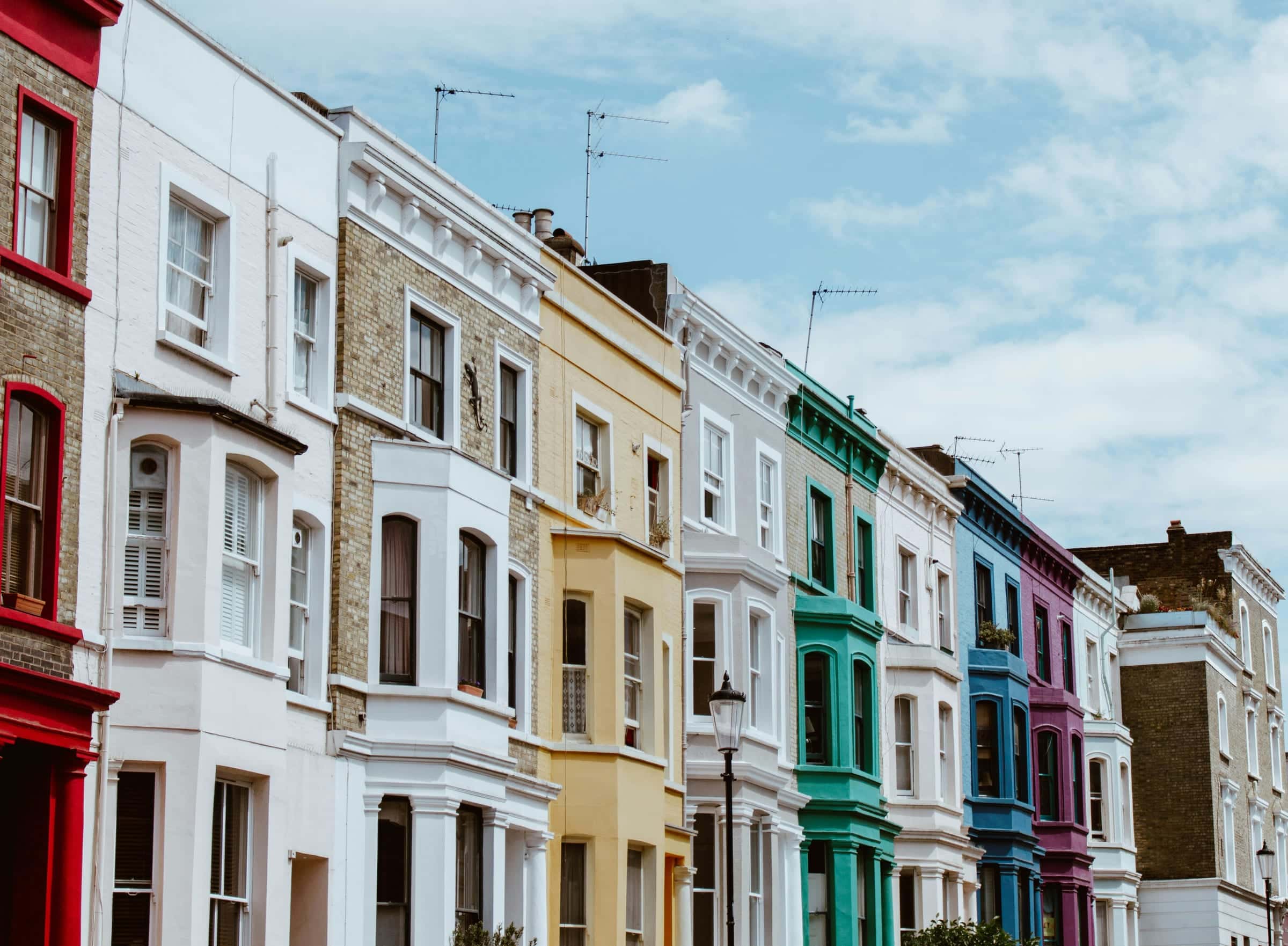
South West London covers the SW postcode districts, from the inner areas around Chelsea, Fulham and Kensington to the riverside and suburban districts south of the Thames in Lambeth, Wandsworth and Merton. The housing ranges from planned Victorian estates and Edwardian terraces to mansion blocks, large houses on the higher ground at Wimbledon and Putney, and new riverside apartments. Each district below has its own page because the stock, ground and planning controls change from one to the next.
Level 2 from £649, Level 2 Plus from £849, Level 3 from £895, including all taxes and fees.
- SW1
- SW2
- SW3
- SW4
- SW5
- SW6
- SW7
- SW8
- SW9
- SW10
- SW11
- SW12
- SW13
- SW14
- SW15
- SW16
- SW17
- SW18
- SW19
- SW20
Local property context
What matters when surveying in South West London
South West London is not one housing market. A two-flat conversion in Battersea, a 1930s mansion flat on Putney Heath, a Wimbledon house on the edge of the hill and a Tyneside flat in Balham raise different questions. What they share is that most were built before 1914, many have been extended or divided, and a lot of them sit under conservation area or Article 4 controls. The survey has to separate the ordinary wear of an older building from the alterations, movement and water problems that affect cost.
A Level 2 or Level 2 Plus often suits a flat in a well-kept conversion or block, or a terrace that has seen little alteration. A Level 3 is usually the better choice for a large, extended or visibly altered house, for a house on sloping ground at Wimbledon or Putney, or where you plan works. The district pages below explain what tends to tip the balance in each area.
Local knowledge for South West London buyers
South of the river the SW districts fall mainly in three boroughs. Lambeth covers Clapham Old Town, Brixton and Streatham and has 62 conservation areas covering around 30% of the borough. Wandsworth covers Battersea, Wandsworth, Putney, Balham and Tooting and has 46 conservation areas, several of them planned estates with Article 4 directions. Merton covers Wimbledon. Which council holds the planning and building control records matters when your conveyancer checks past alterations, and Clapham and Balham both straddle a borough boundary.
The ground changes across the area. Wandsworth’s flood risk assessment describes London Clay and the Lambeth Group beneath river terrace deposits, with alluvium along the Wandle valley. Wimbledon’s hill is capped with sand and gravel over London Clay, and Merton’s character assessments note natural springs where the two meet. Clay shrinks and swells with moisture and trees, which is one reason cracking is read carefully here.
The low-lying riverside at Battersea and Wandsworth is protected by the Thames Barrier and the tidal defences along the river, and the Environment Agency plans to raise those defences over time. Flood risk from surface water and groundwater is mapped separately, so the long term flood risk check is worth reading for any address near the Thames, the Wandle or Beverley Brook.
Property types in the area
- Victorian and Edwardian terraces
- Houses converted into flats
- Planned Victorian and Edwardian estates
- Mansion blocks
- Large detached houses on the higher ground
- Modern riverside apartments
Condition themes to consider
These are prompts for inspection, not a prediction that a particular home has a defect.
- Clay shrinkage movement near mature trees
- Flood risk on low-lying ground near the Thames and the Wandle
- Quality and approval of conversions and extensions
- Article 4 controls on windows and roofs
- Springs and groundwater on the higher slopes
- Defects and fire safety documentation in newer blocks
Before exchange of contracts
- Tell us the district and whether the property is a whole house, a flat in a converted house or a flat in a purpose-built block.
- Ask the conveyancer which borough holds the records, and for approvals covering any conversion, loft, basement or extension.
- Check whether the property is in a conservation area or covered by an Article 4 direction before planning changes to windows, roofs or the front garden.
- For a riverside or low-lying address, read the Environment Agency long term flood risk check before the survey.
South West London survey questions
- Why does it matter which borough a South West London property is in?
- It decides where the planning and building control records are held, and which conservation area or Article 4 rules apply. Clapham and Balham are split between Lambeth and Wandsworth, and Wimbledon is in Merton. JBS Surveying notes alterations that may need approval, and your conveyancer then checks them with the right council before exchange.
- Which survey do I need for a property in South West London?
- A Level 2 or Level 2 Plus often suits a flat in a well-kept conversion or block, or a terrace that has seen little alteration. A Level 3 is usually the better choice for a large, extended or visibly altered house, for a house on sloping ground at Wimbledon or Putney, or where you plan works. The district pages below explain what tends to tip the balance in each area.
- How much does a home survey cost in South West London?
- For homes up to £500,000, JBS Surveying charges from £649 for a Level 2, £849 for a Level 2 Plus and £895 for a Level 3, including all taxes and fees. Fees rise in steps with the property’s price, so we confirm the exact fee in writing once we know the price and the property.
- What problems do surveyors often find in South West London homes?
- Common themes in South West London include clay shrinkage movement near mature trees, flood risk on low-lying ground near the Thames and the Wandle, quality and approval of conversions and extensions and article 4 controls on windows and roofs. These are prompts for the inspection, not a prediction that a particular home has a defect; the report rates each part of the property and says what to do next.
- Is South West London at risk of subsidence or flooding?
- Much of south west London sits on London Clay, which shrinks and swells with moisture, while land nearer the Thames lies on river gravels and alluvium, where groundwater and flood risk matter more than clay shrinkage. Ground conditions vary street by street: the British Geological Survey GeoIndex shows the geology for an address, and the Environment Agency’s long term flood risk service shows the flood risk for the postcode. The survey reports any signs of movement or damp it finds and when to involve a structural engineer or insurer.
- Do you cover SW1, SW2, SW3, SW4, SW5, SW6, SW7, SW8, SW9, SW10, SW11, SW12, SW13, SW14, SW15, SW16, SW17, SW18, SW19 and SW20?
- Yes. JBS Surveying is based in Queen’s Park, NW6, and surveys homes in South West London (SW1, SW2, SW3, SW4, SW5, SW6, SW7, SW8, SW9, SW10, SW11, SW12, SW13, SW14, SW15, SW16, SW17, SW18, SW19 and SW20) and across London. Joe Weaver, AssocRICS, RICS Registered Valuer and MRPSA, inspects every property and writes every report. Level 2 and Level 2 Plus reports are typically issued within 5 working days of the inspection and Level 3 reports within 7.
South West London survey enquiries
Tell us about the property before you choose
Send the South West London postcode, sales particulars and any concerns you already have. JBS will confirm coverage and explain which survey level appears proportionate before you book.
Official guidance and further reading
These independent sources explain the wider professional, legal and maintenance context. They do not replace advice about the particular property or its title.
- Lambeth CouncilConservation area profilesProfiles, appraisals and maps for Lambeth’s 62 conservation areas, which cover around 30% of the borough.
- Wandsworth CouncilConservation areasWandsworth’s 46 conservation areas, their appraisals and the Article 4 directions that remove some permitted development rights.
- Merton CouncilList of conservation areasMerton’s conservation areas, including the seven Wimbledon conservation areas and Merton Park.
- Wandsworth CouncilLevel 1 Strategic Flood Risk AssessmentTidal, river, surface water and groundwater flood risk, the Thames defences, the River Wandle and the local geology.
- Environment AgencyWandsworth to Deptford Policy Unit: Thames Estuary 2100The low-lying riverside covering Wandsworth and Battersea, the tidal defences that protect it and the plan to raise them over time.
- GOV.UKCheck your long term flood riskEnvironment Agency flood risk from rivers, the sea, surface water and reservoirs for any address.
- RICSHouse surveys: the costs, types and benefits of oneHow property age, condition and complexity influence the appropriate level of home survey.
- GOV.UKHow to buy a homeGovernment guidance on surveys, legal work and the wider home-buying process in England and Wales.
- GOV.UKBuying or owning a leasehold homeAn explanation of leasehold ownership, responsibilities, service charges and permissions.
Survey options in South West London
All three follow the RICS Home Survey Standard and use the same condition ratings. The difference is how much the report explains, and all three are available in South West London.
Level 2 Home Survey
Conventional houses and flats in reasonable condition
from £649
Report typically 5 working days after the inspection
Level 2 Plus Home Survey
Converted, period or higher-value flats, and well-kept homes where you want more explanation
from £849
Report typically 5 working days after the inspection
Level 3 Building Survey
Older, larger, altered or unusual properties, or where you plan significant work
from £895
Report typically 7 working days after the inspection
Valuations from £325. See valuations
Neighbouring areas we cover
South West London
Clapham
Clapham grew around its common, where large houses were built in the 18th century, and filled out with Victorian and Edwardian terraces in the later 19th century. The area is split between Lambeth, which covers Clapham Old Town and the east and south sides of the common, and Wandsworth, which covers North Side, West Side and the streets towards Clapham Junction.
View area guidanceSouth West London
Battersea
Much of Battersea was built on low-lying fields beside the Thames from the 1860s onwards, as planned estates of terraces, villas and later mansion blocks. Most of it is in the London Borough of Wandsworth, and the riverside around Nine Elms and Battersea Power Station has seen large new apartment developments.
View area guidanceSouth West London
Wandsworth
Wandsworth Town grew where the River Wandle meets the Thames, and SW18 spreads south from there through the streets around Wandsworth Common to Earlsfield and Southfields. Most of the housing is Victorian and Edwardian, with 1930s council estates in Earlsfield, early 20th century terraces in Southfields and newer flats along the river and in the town centre.
View area guidanceSouth West London
Putney
Putney grew from a riverside settlement at the Thames crossing, and the land rises south from the Embankment and Lower Richmond Road to the high ground of Putney Heath. Its housing runs from Victorian terraces and late Victorian riverside houses to Edwardian and 1930s mansion flats, with the post-war Alton Estate at Roehampton to the west. It is in the London Borough of Wandsworth.
View area guidanceSouth West London
Wimbledon
Wimbledon has an old village on the hill beside Wimbledon Common and a town below it that grew after the railway opened in 1838. It is in the London Borough of Merton, with large Victorian and Edwardian houses on and around the hill, terraces in the town and towards Raynes Park, and mansion blocks and newer flats near the centre.
View area guidanceSouth West London
Brixton
Brixton developed in the early 19th century after the enclosure of Rush Common in 1806, and grew into a major town centre once the railway arrived in the 1860s. It is in the London Borough of Lambeth, with early 19th century villas and terraces, Victorian streets, mansion blocks around the town centre and 1930s apartment blocks on Brixton Hill.
View area guidance