
Residential surveyor in Walthamstow
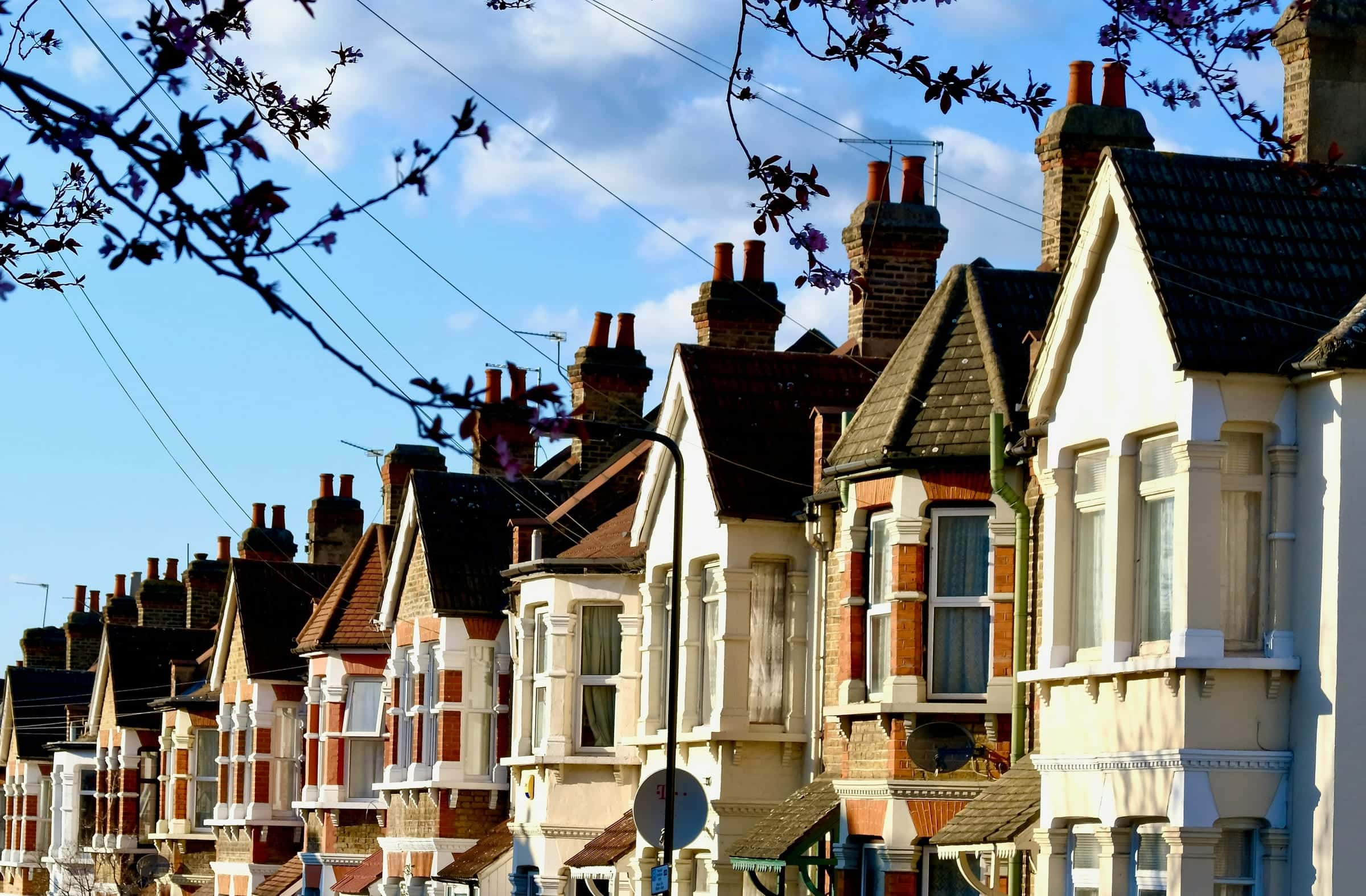
Walthamstow grew from a medieval village around St Mary’s church into a large suburb after the railways arrived around 1870. Much of its late Victorian and Edwardian housing was built and let by the Warner company, whose terraces of ‘half houses’, two flats in one house each with its own front door, are still a distinctive part of E17. Walthamstow is in Waltham Forest.
Level 2 from £649, Level 2 Plus from £849, Level 3 from £895, including all taxes and fees.
- E17
Local property context
What matters when surveying in Walthamstow
Many Walthamstow purchases are a Warner half house flat, a Victorian or Edwardian terrace, or a flat in a converted house. A Warner flat shares its roof, walls and foundations with the flat above or below, so the survey needs to look at the whole building and the legal pack needs to show who repairs what, as well as what is wrong with the rooms you are buying.
A Level 2 Plus suits most Warner flats and conversion flats in decent order, because it explains construction and the shared parts that could be seen. A Level 3 is the better choice for a whole house with a loft conversion or extension, an older village house, or any property with visible cracking near trees.
Local knowledge for Walthamstow buyers
T C T Warner began developing the Clock House estate in the 1880s, and by 1901 the Warner company had 2,184 weekly tenants. Leucha Road, built in 1895 and designated a conservation area in 1990, is a largely original example of the earliest phase. Warner terraces are known for red brick, gables, paired doors in recessed porches and iron railings. The company began selling its housing in the 1960s, and by 2000 the remaining stock had passed to private or housing association owners.
A Warner half house is two flats in one terraced house, each with its own front door and rear garden, and Waltham Forest treats them as flats for planning purposes, so they lack the permitted development rights of a house. Single Warner houses, with a narrower arched door, keep normal rights. How the roof, main walls and freehold are shared between upper and lower flats varies, so the leases or title arrangements need careful reading.
Walthamstow Village, designated in 1967, is one of the borough’s oldest conservation areas, with buildings including the fifteenth century Ancient House, now flats, and Vestry House of 1730. An Article 4 direction made in 1977 means planning permission is needed for nearly all external works to houses there. Forest School, Orford Road, Lloyd Park and Walthamstow St James are among the other conservation areas in E17.
Property types in the area
- Warner half houses (upper and lower flats)
- Late Victorian and Edwardian terraced houses
- Houses converted into flats
- Historic village houses and cottages
- Post-war council blocks
- Modern apartment developments
Condition themes to consider
These are prompts for inspection, not a prediction that a particular home has a defect.
- Lease and freehold arrangements in Warner half houses
- Shared roofs and walls between upper and lower flats
- Article 4 and conservation area controls
- Clay-related movement near street trees
- Loft conversions and rear extensions
- Damp at ground floor level in older terraces
Before exchange of contracts
- For a Warner flat, ask the conveyancer who owns the freehold and who is responsible for the roof and main walls.
- Mention any leaks between the upper and lower flats that the seller has disclosed.
- Check whether the property is in a conservation area or covered by an Article 4 direction before planning changes.
- Tell us about any loft conversion or rear extension and whether it has approvals.
Walthamstow survey questions
- What should I check before buying a Warner flat in Walthamstow?
- Check the whole building and the legal arrangements, not just your flat. A Warner half house shares its roof, walls and foundations between two flats, and the council treats it as flats for planning. JBS Surveying reports on the shared parts that can be seen, and your conveyancer should confirm who owns the freehold and who repairs the roof and structure.
- Can I extend a Warner half house without planning permission?
- Usually not. Waltham Forest treats half houses as flats, which do not have the permitted development rights of a house, so most external changes need planning permission. Some Warner streets are also in conservation areas. JBS Surveying notes visible extensions and alterations so your conveyancer can check that permission was obtained.
- Which survey do I need for a property in Walthamstow?
- A Level 2 Plus suits most Warner flats and conversion flats in decent order, because it explains construction and the shared parts that could be seen. A Level 3 is the better choice for a whole house with a loft conversion or extension, an older village house, or any property with visible cracking near trees.
- How much does a home survey cost in Walthamstow?
- For homes up to £500,000, JBS Surveying charges from £649 for a Level 2, £849 for a Level 2 Plus and £895 for a Level 3, including all taxes and fees. Fees rise in steps with the property’s price, so we confirm the exact fee in writing once we know the price and the property.
- What problems do surveyors often find in Walthamstow homes?
- Common themes in Walthamstow include lease and freehold arrangements in Warner half houses, shared roofs and walls between upper and lower flats, article 4 and conservation area controls and clay-related movement near street trees. These are prompts for the inspection, not a prediction that a particular home has a defect; the report rates each part of the property and says what to do next.
- Is Walthamstow at risk of subsidence or flooding?
- Much of east London sits on London Clay or on Thames and Lea river terrace gravels, with lower-lying land near the Thames and the River Lea, so ground type and flood risk both vary from street to street. Ground conditions vary street by street: the British Geological Survey GeoIndex shows the geology for an address, and the Environment Agency’s long term flood risk service shows the flood risk for the postcode. The survey reports any signs of movement or damp it finds and when to involve a structural engineer or insurer.
- Do you cover E17?
- Yes. JBS Surveying is based in Queen’s Park, NW6, and surveys homes in Walthamstow (E17) and across London. Joe Weaver, AssocRICS, RICS Registered Valuer and MRPSA, inspects every property and writes every report. Level 2 and Level 2 Plus reports are typically issued within 5 working days of the inspection and Level 3 reports within 7.
Walthamstow survey enquiries
Tell us about the property before you choose
Send the Walthamstow postcode, sales particulars and any concerns you already have. JBS will confirm coverage and explain which survey level appears proportionate before you book.
Official guidance and further reading
These independent sources explain the wider professional, legal and maintenance context. They do not replace advice about the particular property or its title.
- Waltham Forest CouncilLeucha Road Conservation Area appraisal and management planA largely original street of 1895 Warner ‘half houses’ from the earliest phase of the Warner Estate.
- Waltham Forest CouncilLloyd Park Conservation Area appraisal and management planWarner terraces west of Lloyd Park, and how half houses and single Warner houses are treated differently in planning.
- Waltham Forest CouncilWalthamstow Village Conservation Area appraisal and management planThe medieval village around St Mary’s church, its historic buildings and the 1977 Article 4 direction.
- GOV.UKCheck your long term flood riskEnvironment Agency flood risk from rivers, the sea, surface water and reservoirs for any address.
- RICSHouse surveys: the costs, types and benefits of oneHow property age, condition and complexity influence the appropriate level of home survey.
- GOV.UKHow to buy a homeGovernment guidance on surveys, legal work and the wider home-buying process in England and Wales.
- GOV.UKBuying or owning a leasehold homeAn explanation of leasehold ownership, responsibilities, service charges and permissions.
Survey options in Walthamstow
All three follow the RICS Home Survey Standard and use the same condition ratings. The difference is how much the report explains, and all three are available in Walthamstow.
Level 2 Home Survey
Conventional houses and flats in reasonable condition
from £649
Report typically 5 working days after the inspection
Level 2 Plus Home Survey
Converted, period or higher-value flats, and well-kept homes where you want more explanation
from £849
Report typically 5 working days after the inspection
Level 3 Building Survey
Older, larger, altered or unusual properties, or where you plan significant work
from £895
Report typically 7 working days after the inspection
Valuations from £325. See valuations
Neighbouring areas we cover
East London
Leyton
Leyton was rural until the railways and industry arrived in the mid nineteenth century, and its population rose from under 5,000 in 1861 to nearly 99,000 by 1901. Most of E10 is streets of late Victorian and Edwardian terraces, with shopping parades along the High Road and around the Bakers Arms and the Lea Valley to the west. Leyton is in Waltham Forest.
View area guidanceEast London
Wanstead
Wanstead grew as a village on the edge of Epping Forest beside the grounds of Wanstead House, an early eighteenth century Palladian mansion sold for demolition in 1823. The railway arrived in 1856, and the area now mixes older village buildings, Victorian and Edwardian terraces and later houses, framed by Wanstead Flats, Wanstead Park and other forest land. Wanstead is in Redbridge, while the Leytonstone part of E11 is in Waltham Forest.
View area guidanceNorth London
Stoke Newington
Stoke Newington combines Georgian houses on and around Church Street and Clissold Park with long streets of mid and late Victorian terraces, many now flats. Much of the older housing is in Hackney conservation areas.
View area guidanceEast London
Hackney
Hackney’s E8 and E9 postcodes run from the streets around London Fields and Broadway Market, through the early and mid nineteenth century houses of the Graham Road and Mapledene conservation area, to the terraces facing Victoria Park and the canalside industrial buildings of Hackney Wick. The area is in the London Borough of Hackney.
View area guidanceEast London
East London
The E postcodes run from the early Georgian streets of Spitalfields and the riverside warehouses of Wapping, through the Victorian suburbs of Hackney, Bow, Leyton and Walthamstow, to the former docks of the Isle of Dogs and the Lea Valley around Stratford and the Olympic Park. Most of the area falls within Tower Hamlets, Hackney, Newham and Waltham Forest, with Wanstead in Redbridge.
View area guidance