
Residential surveyor in Wanstead
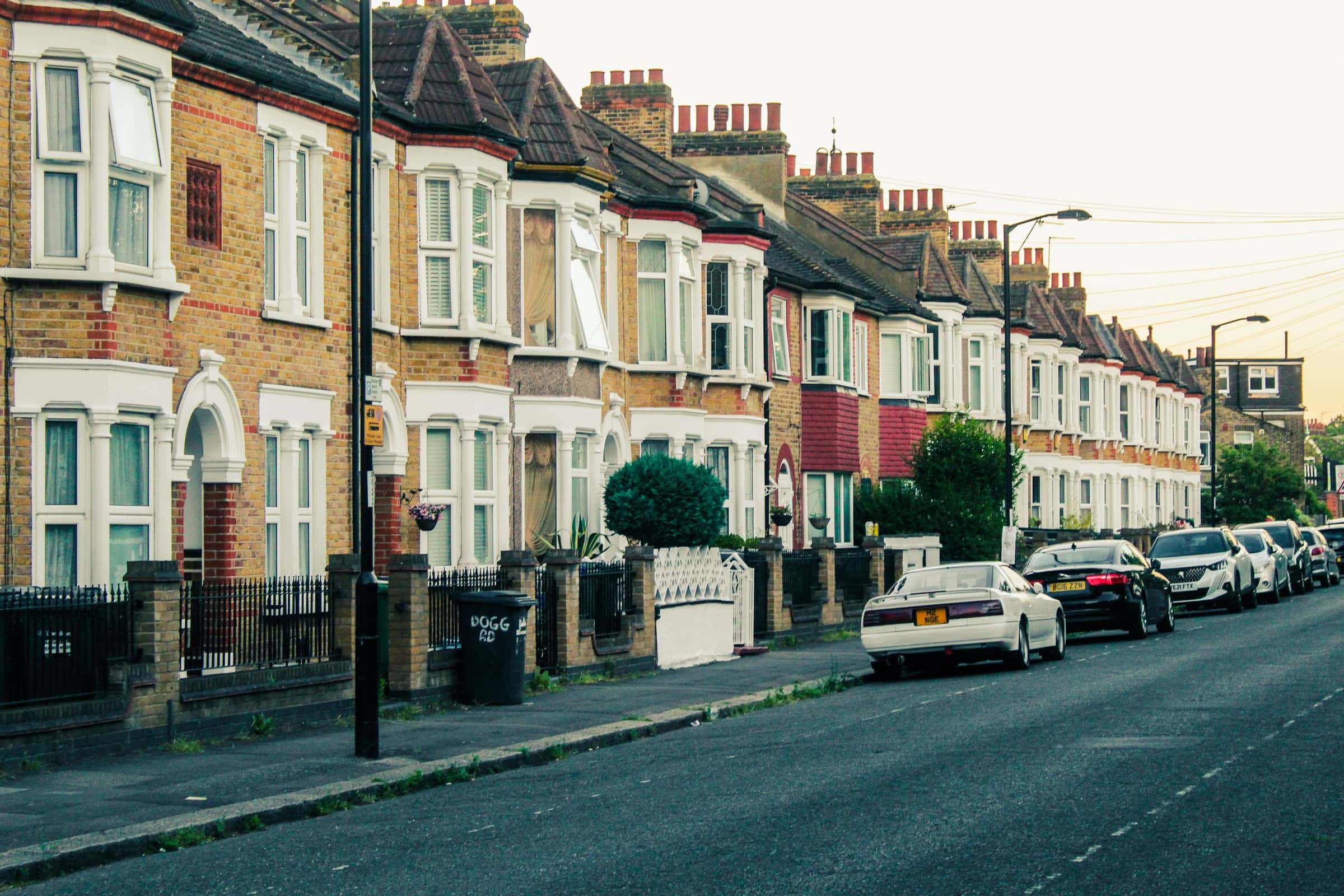
Wanstead grew as a village on the edge of Epping Forest beside the grounds of Wanstead House, an early eighteenth century Palladian mansion sold for demolition in 1823. The railway arrived in 1856, and the area now mixes older village buildings, Victorian and Edwardian terraces and later houses, framed by Wanstead Flats, Wanstead Park and other forest land. Wanstead is in Redbridge, while the Leytonstone part of E11 is in Waltham Forest.
Level 2 from £649, Level 2 Plus from £849, Level 3 from £895, including all taxes and fees.
- E11
Local property context
What matters when surveying in Wanstead
Wanstead buyers are usually looking at a Victorian or Edwardian terrace, a larger older house near the village and the greens, or a flat in a converted house or block, with Leytonstone offering similar stock on the Waltham Forest side. With so many mature trees on streets, greens and forest land, the survey needs to read any cracking against trees, drainage and the age of the house rather than assuming a single cause.
A Level 3 is usually the better choice for an older village house, a large Victorian house, or a house with extensions and visible cracking near trees. A Level 2 Plus suits a terrace or conversion flat in decent order. A Level 2 can suit a later house or a flat in a well-managed block.
Local knowledge for Wanstead buyers
Wanstead Village became a conservation area in 1970. Its oldest surviving building, 32 High Street, is probably sixteenth century though much altered, and there are early eighteenth century houses alongside Christ Church of 1861 by Gilbert Scott, late Victorian terraces on Spratt Hall Road, Edwardian terraces on Cambridge Park Road and the inter-war Clockhouse Parade. Redbridge also has conservation areas at Wanstead Grove, Wanstead Park and Snaresbrook, and Article 4 directions apply in places including The Drive in Snaresbrook and part of Spratt Hall Road.
Trees are a defining feature. Two rows of horse chestnuts were planted along St Mary’s Avenue in 1897, the greens are lined with mature trees, and large areas of open land are owned by the City of London and managed as part of Epping Forest. Where a house stands near large trees, the surveyor looks at the pattern of any cracking, the drainage and the history of repairs before drawing conclusions.
Leytonstone, in the Waltham Forest part of E11, has its own conservation area, designated in 1990. It includes Georgian houses on Whipps Cross Road, some dating from 1767, the Fillebrook estate built by several builders from 1860 in varied styles, and the more uniform Wallwood estate of the 1890s, largely by one builder, Joseph Holland. An Article 4 direction made in 2004 means planning permission is needed for nearly all external works to houses facing a road or open space.
Property types in the area
- Georgian and early Victorian village houses
- Victorian and Edwardian terraced houses
- Large Victorian villas
- Inter-war semi-detached houses
- Houses converted into flats
- Post-war and modern blocks of flats
Condition themes to consider
These are prompts for inspection, not a prediction that a particular home has a defect.
- Movement near mature street and garden trees
- Conservation area controls on alterations
- Article 4 controls in Leytonstone and parts of Wanstead
- Loft conversions and rear extensions
- Roofs and chimneys on older houses
- Bay window and front wall movement
Before exchange of contracts
- Confirm whether the property is in Redbridge or Waltham Forest so the right planning records can be checked.
- Ask whether the house is in a conservation area or covered by an Article 4 direction before planning external changes.
- Point out large trees close to the house and any cracking you noticed on a viewing.
- Tell us about any extension, loft conversion or underpinning mentioned in the particulars.
Wanstead survey questions
- Is Wanstead in Redbridge or Waltham Forest?
- Wanstead is in Redbridge, but the E11 postcode also covers Leytonstone, which is in Waltham Forest. The two councils hold separate planning records and have different conservation areas and Article 4 directions. JBS Surveying covers both, and confirming the borough early helps your conveyancer check approvals for any alterations.
- Which survey do I need for a property in Wanstead?
- A Level 3 is usually the better choice for an older village house, a large Victorian house, or a house with extensions and visible cracking near trees. A Level 2 Plus suits a terrace or conversion flat in decent order. A Level 2 can suit a later house or a flat in a well-managed block.
- How much does a home survey cost in Wanstead?
- For homes up to £500,000, JBS Surveying charges from £649 for a Level 2, £849 for a Level 2 Plus and £895 for a Level 3, including all taxes and fees. Fees rise in steps with the property’s price, so we confirm the exact fee in writing once we know the price and the property.
- What problems do surveyors often find in Wanstead homes?
- Common themes in Wanstead include movement near mature street and garden trees, conservation area controls on alterations, article 4 controls in Leytonstone and parts of Wanstead and loft conversions and rear extensions. These are prompts for the inspection, not a prediction that a particular home has a defect; the report rates each part of the property and says what to do next.
- Is Wanstead at risk of subsidence or flooding?
- Much of east London sits on London Clay or on Thames and Lea river terrace gravels, with lower-lying land near the Thames and the River Lea, so ground type and flood risk both vary from street to street. Ground conditions vary street by street: the British Geological Survey GeoIndex shows the geology for an address, and the Environment Agency’s long term flood risk service shows the flood risk for the postcode. The survey reports any signs of movement or damp it finds and when to involve a structural engineer or insurer.
- Do you cover E11?
- Yes. JBS Surveying is based in Queen’s Park, NW6, and surveys homes in Wanstead (E11) and across London. Joe Weaver, AssocRICS, RICS Registered Valuer and MRPSA, inspects every property and writes every report. Level 2 and Level 2 Plus reports are typically issued within 5 working days of the inspection and Level 3 reports within 7.
Wanstead survey enquiries
Tell us about the property before you choose
Send the Wanstead postcode, sales particulars and any concerns you already have. JBS will confirm coverage and explain which survey level appears proportionate before you book.
Official guidance and further reading
These independent sources explain the wider professional, legal and maintenance context. They do not replace advice about the particular property or its title.
- Redbridge CouncilWanstead Village Conservation Area appraisalThe history of Wanstead House and the village, its buildings from the sixteenth century onwards and its trees and greens.
- Redbridge CouncilProtected buildings and conservation areasRedbridge’s conservation areas, including Wanstead Village, Wanstead Grove, Wanstead Park and Snaresbrook, and its Article 4 directions.
- Waltham Forest CouncilLeytonstone Conservation Area appraisal and management planGeorgian houses on Whipps Cross Road, the Victorian Fillebrook and Wallwood estates and the 2004 Article 4 direction.
- GOV.UKCheck your long term flood riskEnvironment Agency flood risk from rivers, the sea, surface water and reservoirs for any address.
- RICSHouse surveys: the costs, types and benefits of oneHow property age, condition and complexity influence the appropriate level of home survey.
- GOV.UKHow to buy a homeGovernment guidance on surveys, legal work and the wider home-buying process in England and Wales.
- GOV.UKBuying or owning a leasehold homeAn explanation of leasehold ownership, responsibilities, service charges and permissions.
Survey options in Wanstead
All three follow the RICS Home Survey Standard and use the same condition ratings. The difference is how much the report explains, and all three are available in Wanstead.
Level 2 Home Survey
Conventional houses and flats in reasonable condition
from £649
Report typically 5 working days after the inspection
Level 2 Plus Home Survey
Converted, period or higher-value flats, and well-kept homes where you want more explanation
from £849
Report typically 5 working days after the inspection
Level 3 Building Survey
Older, larger, altered or unusual properties, or where you plan significant work
from £895
Report typically 7 working days after the inspection
Valuations from £325. See valuations
Neighbouring areas we cover
East London
Leyton
Leyton was rural until the railways and industry arrived in the mid nineteenth century, and its population rose from under 5,000 in 1861 to nearly 99,000 by 1901. Most of E10 is streets of late Victorian and Edwardian terraces, with shopping parades along the High Road and around the Bakers Arms and the Lea Valley to the west. Leyton is in Waltham Forest.
View area guidanceEast London
Walthamstow
Walthamstow grew from a medieval village around St Mary’s church into a large suburb after the railways arrived around 1870. Much of its late Victorian and Edwardian housing was built and let by the Warner company, whose terraces of ‘half houses’, two flats in one house each with its own front door, are still a distinctive part of E17. Walthamstow is in Waltham Forest.
View area guidanceEast London
Stratford
Stratford grew beside the crossings of the River Lea and became a railway town after the Eastern Counties Railway made it the site of its main works in 1847. Victorian terraces and older buildings around St John’s church now sit beside high-rise development and the Queen Elizabeth Olympic Park, where the 2012 athletes’ village became East Village in E20. Most of the area is in Newham.
View area guidanceEast London
East London
The E postcodes run from the early Georgian streets of Spitalfields and the riverside warehouses of Wapping, through the Victorian suburbs of Hackney, Bow, Leyton and Walthamstow, to the former docks of the Isle of Dogs and the Lea Valley around Stratford and the Olympic Park. Most of the area falls within Tower Hamlets, Hackney, Newham and Waltham Forest, with Wanstead in Redbridge.
View area guidance