
Residential surveyor in Bow
Bow grew where the old road to Essex crossed the River Lea, and its first bridges gave the place its name. Housing in E3 includes the formal terraces built around Tredegar Square between about 1820 and 1860, streets of later Victorian terraces around Driffield Road and Roman Road, the former Bryant and May match works now known as the Bow Quarter, and large post-war estates. Bow is in Tower Hamlets.
Level 2 from £649, Level 2 Plus from £849, Level 3 from £895, including all taxes and fees.
- E3
Local property context
What matters when surveying in Bow
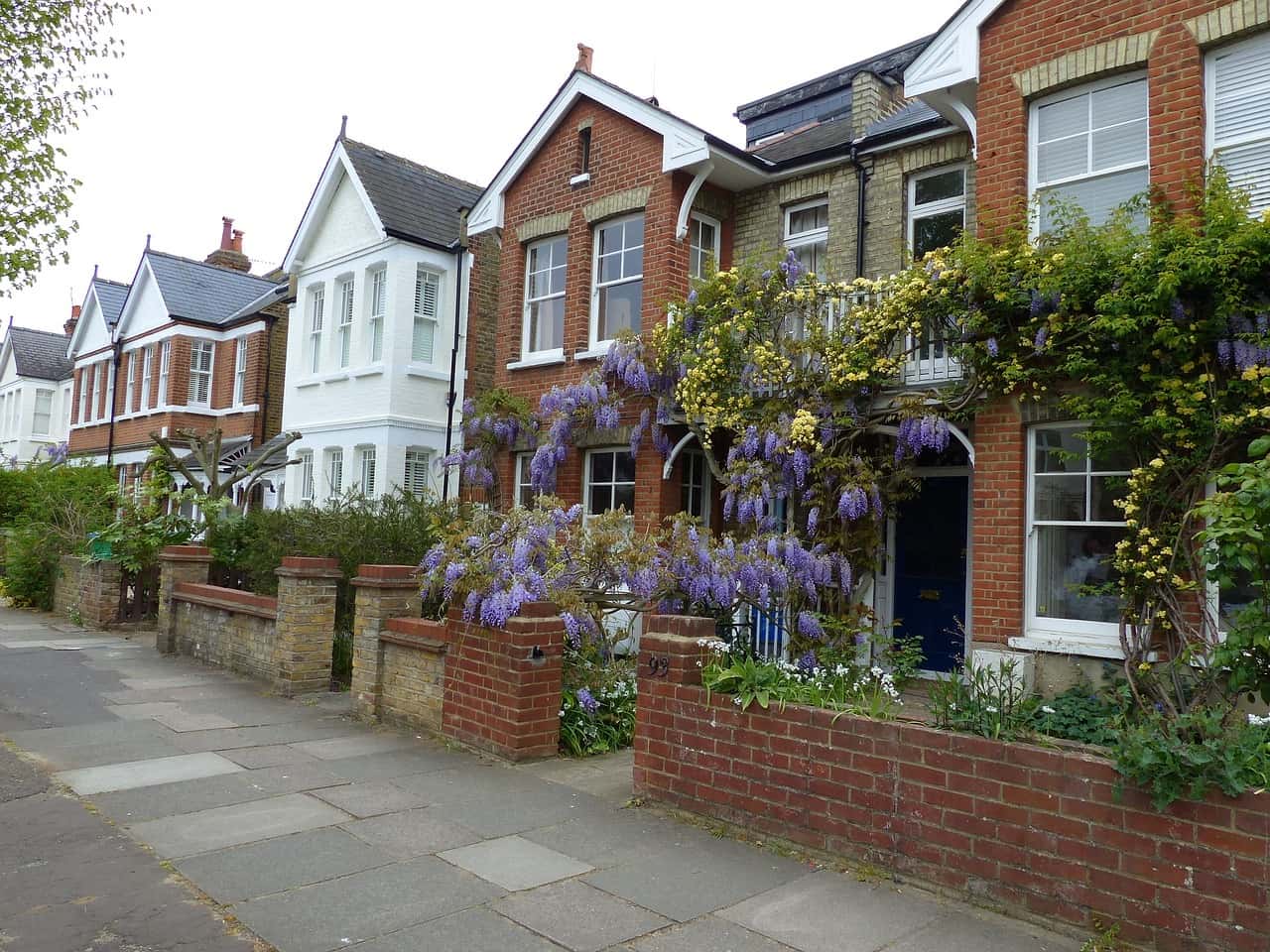
Bow purchases range from late Georgian and early Victorian houses around Tredegar Square, through two-storey Victorian terraces near Roman Road, to flats in the converted match works and in post-war or newer blocks. Many of the terraces have London roofs hidden behind parapets and later roof additions, so the survey needs to look closely at roofs, gutters and how any extension was built and approved, as well as at the rooms you are buying.
A Level 3 is usually the right choice for a house on or near Tredegar Square, a terrace with a roof extension or basement works, or any house with visible cracking. A Level 2 Plus suits a flat in a well-kept conversion or a converted industrial building in reasonable order. A Level 2 can suit a flat in a newer, well-managed block.
Local knowledge for Bow buyers
Tredegar Square was designated a conservation area in 1971. The area was developed mainly between about 1820 and 1860 on land of the Tredegar Estate and the Coborn Trustees, after an 1824 Act of Parliament allowed Sir Charles Morgan to build on his fields. Three-storey houses with basements line the square, the north side in stucco and the others in plain stock brick, and most terraces have London roofs behind parapets. The square itself is protected under the London Squares Preservation Act 1931.
The Driffield Road conservation area, designated in 1988, was laid out progressively after 1857 and filled by the 1890s. Most houses are two storeys over a basement that was usually a coal store rather than a habitable room, with canted bays and rear returns. The council has published guidance on roof extensions there, so a mansard built to a different pattern, or a basement now used as a room, is worth checking for approval and for damp.
The Bryant and May match works on Fairfield Road date from 1861, with later additions in 1874 and 1909 to 1911, and the main buildings are Grade II listed. The factory closed in 1979 and became the Bow Quarter housing development. Tower Hamlets’ flood risk assessment notes that groundwater susceptibility is mainly in the north of the borough, and land near the Lea relies on the river and tidal defences.
Property types in the area
- Late Georgian and early Victorian terraced houses
- Two-storey Victorian terraces with London roofs
- Flats above shops on Roman Road
- Flats in converted industrial buildings
- Post-war council estates and blocks
- Modern apartment developments
Condition themes to consider
These are prompts for inspection, not a prediction that a particular home has a defect.
- London roofs and parapet gutters
- Roof extensions and their approvals
- Conservation area controls on fronts and roofs
- Shared structure in converted industrial buildings
- Damp in basements and lower floors
- Flood risk on low ground near the Lea
Before exchange of contracts
- Tell us about any roof extension, basement conversion or rear addition and whether it has approvals.
- Mention any history of leaks at parapet or valley gutters.
- For a flat in a listed building, ask the conveyancer about listed building consent for past alterations.
- Check the long term flood risk for the address on GOV.UK if it is near the Lea.
Bow survey questions
- What is a London roof and why does it matter in Bow?
- It is a low, V-shaped roof hidden behind a front parapet, found on most terraces around Tredegar Square and Driffield Road. The central valley gutter and parapets need regular clearing and repair, and leaks can go unnoticed for years. JBS Surveying looks at what can be seen of these roofs and reports on gutters, parapets and any later roof extension.
- Which survey do I need for a property in Bow?
- A Level 3 is usually the right choice for a house on or near Tredegar Square, a terrace with a roof extension or basement works, or any house with visible cracking. A Level 2 Plus suits a flat in a well-kept conversion or a converted industrial building in reasonable order. A Level 2 can suit a flat in a newer, well-managed block.
- How much does a home survey cost in Bow?
- For homes up to £500,000, JBS Surveying charges from £649 for a Level 2, £849 for a Level 2 Plus and £895 for a Level 3, including all taxes and fees. Fees rise in steps with the property’s price, so we confirm the exact fee in writing once we know the price and the property.
- What problems do surveyors often find in Bow homes?
- Common themes in Bow include london roofs and parapet gutters, roof extensions and their approvals, conservation area controls on fronts and roofs and shared structure in converted industrial buildings. These are prompts for the inspection, not a prediction that a particular home has a defect; the report rates each part of the property and says what to do next.
- Is Bow at risk of subsidence or flooding?
- Much of east London sits on London Clay or on Thames and Lea river terrace gravels, with lower-lying land near the Thames and the River Lea, so ground type and flood risk both vary from street to street. Ground conditions vary street by street: the British Geological Survey GeoIndex shows the geology for an address, and the Environment Agency’s long term flood risk service shows the flood risk for the postcode. The survey reports any signs of movement or damp it finds and when to involve a structural engineer or insurer.
- Do you cover E3?
- Yes. JBS Surveying is based in Queen’s Park, NW6, and surveys homes in Bow (E3) and across London. Joe Weaver, AssocRICS, RICS Registered Valuer and MRPSA, inspects every property and writes every report. Level 2 and Level 2 Plus reports are typically issued within 5 working days of the inspection and Level 3 reports within 7.
Bow survey enquiries
Tell us about the property before you choose
Send the Bow postcode, sales particulars and any concerns you already have. JBS will confirm coverage and explain which survey level appears proportionate before you book.
Official guidance and further reading
These independent sources explain the wider professional, legal and maintenance context. They do not replace advice about the particular property or its title.
- Tower Hamlets CouncilTredegar Square Conservation Area appraisal and management guidelinesHow the Tredegar estate was laid out between about 1820 and 1860, and the character of its terraces and London roofs.
- Tower Hamlets CouncilDriffield Road Conservation Area character appraisal and management guidelinesThe later Victorian terraces between Victoria Park and Roman Road, with the council’s guidance on roof extensions.
- Tower Hamlets CouncilFairfield Road Conservation Area appraisal and management guidelinesThe listed Bryant and May match works, later redeveloped as the Bow Quarter, and the terraces around Fairfield Road.
- GOV.UKCheck your long term flood riskEnvironment Agency flood risk from rivers, the sea, surface water and reservoirs for any address.
- RICSHouse surveys: the costs, types and benefits of oneHow property age, condition and complexity influence the appropriate level of home survey.
- GOV.UKHow to buy a homeGovernment guidance on surveys, legal work and the wider home-buying process in England and Wales.
- GOV.UKBuying or owning a leasehold homeAn explanation of leasehold ownership, responsibilities, service charges and permissions.
Survey options in Bow
All three follow the RICS Home Survey Standard and use the same condition ratings. The difference is how much the report explains, and all three are available in Bow.
Level 2 Home Survey
Conventional houses and flats in reasonable condition
from £649
Report typically 5 working days after the inspection
Level 2 Plus Home Survey
Converted, period or higher-value flats, and well-kept homes where you want more explanation
from £849
Report typically 5 working days after the inspection
Level 3 Building Survey
Older, larger, altered or unusual properties, or where you plan significant work
from £895
Report typically 7 working days after the inspection
Valuations from £325. See valuations
Neighbouring areas we cover
East London
Stratford
Stratford grew beside the crossings of the River Lea and became a railway town after the Eastern Counties Railway made it the site of its main works in 1847. Victorian terraces and older buildings around St John’s church now sit beside high-rise development and the Queen Elizabeth Olympic Park, where the 2012 athletes’ village became East Village in E20. Most of the area is in Newham.
View area guidanceEast London
Bethnal Green
Bethnal Green lies just east of Shoreditch and the City, between Hackney Road and Mile End. Its housing includes the London County Council’s Boundary Estate of the 1890s, two-storey Victorian terraces on the Jesus Hospital Estate near Columbia Road, terraces near Victoria Park and the Regent’s Canal, and many post-war council estates. Bethnal Green is in Tower Hamlets.
View area guidanceEast London
Hackney
Hackney’s E8 and E9 postcodes run from the streets around London Fields and Broadway Market, through the early and mid nineteenth century houses of the Graham Road and Mapledene conservation area, to the terraces facing Victoria Park and the canalside industrial buildings of Hackney Wick. The area is in the London Borough of Hackney.
View area guidanceEast London
Canary Wharf
The Isle of Dogs was low, marshy land until the West India Docks opened in 1802, and dock use dominated the area until the 1960s. After the docks closed, the London Docklands Development Corporation led regeneration from 1981, and E14 now combines the Canary Wharf office district and high-rise residential towers with surviving dock buildings, post-war estates and later riverside housing, along with Poplar and Limehouse. It is in Tower Hamlets.
View area guidanceEast London
Whitechapel
E1 covers Whitechapel, Spitalfields, Stepney and Shadwell, with Wapping in E1W. Housing ranges from the early eighteenth century houses of Fournier Street and the nineteenth century riverside warehouses of Wapping, most now flats, to Victorian terraces, homes above shops, large post-war estates and modern towers. The area is in Tower Hamlets.
View area guidanceEast London
East London
The E postcodes run from the early Georgian streets of Spitalfields and the riverside warehouses of Wapping, through the Victorian suburbs of Hackney, Bow, Leyton and Walthamstow, to the former docks of the Isle of Dogs and the Lea Valley around Stratford and the Olympic Park. Most of the area falls within Tower Hamlets, Hackney, Newham and Waltham Forest, with Wanstead in Redbridge.
View area guidance