
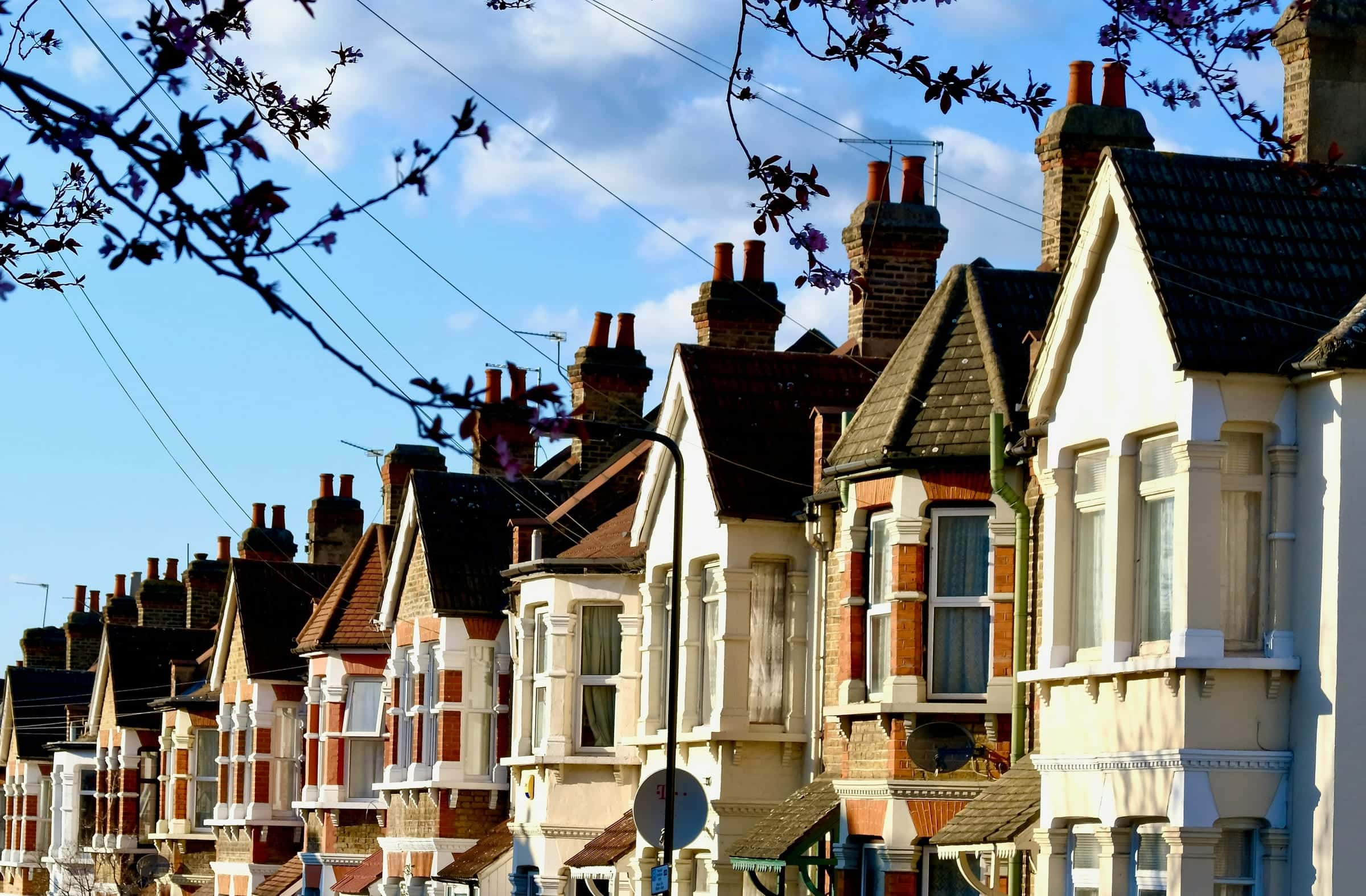
Residential surveyor in Chelsea
Chelsea's housing stock ranges from elegant Georgian and early Victorian terraces to mansion blocks and modern developments. Many properties have been extensively altered over the decades, with basement extensions, loft conversions and internal reconfigurations creating a complex surveying landscape.
Level 2 from £649, Level 2 Plus from £849, Level 3 from £895, including all taxes and fees.
- SW3
- SW10
Local property context
What matters when surveying in Chelsea
In Chelsea, the history of alteration can be as important as the original building. Basement enlargement, internal reconfiguration, roof additions and changes to mews or period houses may create structural, moisture, approval and shared-responsibility questions.
The inspection can identify visible evidence and areas requiring clarification, but it does not certify historic work retrospectively. A detailed Level 3 is normally more useful for altered or older property, supported by legal enquiries and specialist evidence where the facts remain uncertain.
Property types in the area
- Georgian and Victorian terraces
- converted flats
- mews houses
- mansion blocks
- modern apartments
- riverside developments.
Condition themes to consider
These are prompts for inspection, not a prediction that a particular home has a defect.
- Basement damp and waterproofing quality
- structural alteration assessment
- period timber condition
- stucco and render maintenance
- flat roof issues on extensions
- shared structure in conversions.
Before exchange of contracts
- Ask the seller for drawings, approvals, completion certificates and guarantees for major alterations.
- Tell the surveyor about any basement pump, waterproofing system or past water entry mentioned at viewing.
- For leasehold property, ask the conveyancer who maintains external walls, roofs, terraces and shared services.
- Check whether neighbouring or party-wall works are current or known before exchange.
Chelsea survey questions
- Which survey do I need for a property in Chelsea?
- The inspection can identify visible evidence and areas requiring clarification, but it does not certify historic work retrospectively. A detailed Level 3 is normally more useful for altered or older property, supported by legal enquiries and specialist evidence where the facts remain uncertain.
- How much does a home survey cost in Chelsea?
- For homes up to £500,000, JBS Surveying charges from £649 for a Level 2, £849 for a Level 2 Plus and £895 for a Level 3, including all taxes and fees. Fees rise in steps with the property’s price, so we confirm the exact fee in writing once we know the price and the property.
- What problems do surveyors often find in Chelsea homes?
- Common themes in Chelsea include basement damp and waterproofing quality, structural alteration assessment, period timber condition and stucco and render maintenance. These are prompts for the inspection, not a prediction that a particular home has a defect; the report rates each part of the property and says what to do next.
- Is Chelsea at risk of subsidence or flooding?
- Much of south west London sits on London Clay, which shrinks and swells with moisture, while land nearer the Thames lies on river gravels and alluvium, where groundwater and flood risk matter more than clay shrinkage. Ground conditions vary street by street: the British Geological Survey GeoIndex shows the geology for an address, and the Environment Agency’s long term flood risk service shows the flood risk for the postcode. The survey reports any signs of movement or damp it finds and when to involve a structural engineer or insurer.
- Do you cover SW3 and SW10?
- Yes. JBS Surveying is based in Queen’s Park, NW6, and surveys homes in Chelsea (SW3 and SW10) and across London. Joe Weaver, AssocRICS, RICS Registered Valuer and MRPSA, inspects every property and writes every report. Level 2 and Level 2 Plus reports are typically issued within 5 working days of the inspection and Level 3 reports within 7.
Chelsea survey enquiries
Tell us about the property before you choose
Send the Chelsea postcode, sales particulars and any concerns you already have. JBS will confirm coverage and explain which survey level appears proportionate before you book.
Official guidance and further reading
These independent sources explain the wider professional, legal and maintenance context. They do not replace advice about the particular property or its title.
- Royal Borough of Kensington and ChelseaConservation area appraisals and management plansAppraisals for the borough’s conservation areas, including Ladbroke, Norland and Holland Park.
- GOV.UKCheck your long term flood riskEnvironment Agency flood risk from rivers, the sea, surface water and reservoirs for any address.
- RICSHouse surveys: the costs, types and benefits of oneHow property age, condition and complexity influence the appropriate level of home survey.
- GOV.UKHow to buy a homeGovernment guidance on surveys, legal work and the wider home-buying process in England and Wales.
- GOV.UKBuying or owning a leasehold homeAn explanation of leasehold ownership, responsibilities, service charges and permissions.
Survey options in Chelsea
All three follow the RICS Home Survey Standard and use the same condition ratings. The difference is how much the report explains, and all three are available in Chelsea.
Level 2 Home Survey
Conventional houses and flats in reasonable condition
from £649
Report typically 5 working days after the inspection
Level 2 Plus Home Survey
Converted, period or higher-value flats, and well-kept homes where you want more explanation
from £849
Report typically 5 working days after the inspection
Level 3 Building Survey
Older, larger, altered or unusual properties, or where you plan significant work
from £895
Report typically 7 working days after the inspection
Valuations from £325. See valuations
Neighbouring areas we cover
West London
Kensington
Kensington is characterised by its grand stucco-fronted terraces, red-brick mansion blocks and elegant garden squares. Much of the housing stock dates from the mid-to-late Victorian period and has been extensively converted into flats. The area demands surveyors who understand period construction, leasehold structures and the particular challenges of high-value London property.
View area guidanceSouth West London
Fulham
Fulham offers a mix of Victorian terraces, Edwardian houses and an increasing number of modern apartment developments. The area has seen significant investment and renovation, which means surveyors frequently encounter properties that have been extended, converted or substantially altered, each requiring careful assessment.
View area guidanceSouth West London
Battersea
Much of Battersea was built on low-lying fields beside the Thames from the 1860s onwards, as planned estates of terraces, villas and later mansion blocks. Most of it is in the London Borough of Wandsworth, and the riverside around Nine Elms and Battersea Power Station has seen large new apartment developments.
View area guidanceSouth West London
South West London
South West London covers the SW postcode districts, from the inner areas around Chelsea, Fulham and Kensington to the riverside and suburban districts south of the Thames in Lambeth, Wandsworth and Merton. The housing ranges from planned Victorian estates and Edwardian terraces to mansion blocks, large houses on the higher ground at Wimbledon and Putney, and new riverside apartments. Each district below has its own page because the stock, ground and planning controls change from one to the next.
View area guidanceWest London
Holland Park
Holland Park is a district of large mid Victorian stucco villas and terraces, built mainly in the 1850s and 1860s, on wide streets between Notting Hill and Kensington. Many houses have been converted into flats and many others extended below ground, and most of the area is in conservation areas.
View area guidance